
Car Ignition Repair in Los Angeles: Signs Your Ignition Needs Attention
A failing car ignition can quickly turn a normal day into a major inconvenience. Your key may become difficult to turn, get stuck inside the ignition, or stop starting the vehicle entirely. Ignoring these warning signs can make the damage worse and eventually leave you stranded.
1st L.S Locksmith provides mobile car ignition assistance throughout Los Angeles. Our automotive locksmiths can inspect the key and ignition cylinder, identify the likely cause of the problem, and explain whether repair or replacement is the more practical option.
Why Car Ignitions Stop Working
Normal wear is one of the most common causes of ignition trouble. Every time a key is inserted and turned, the key and internal ignition components experience friction. Over time, a worn key may stop aligning correctly with the wafers inside the cylinder.
A heavy keychain can also place unnecessary pressure on the ignition while driving. Bent keys, copied keys with inaccurate cuts, dirt inside the cylinder, attempted theft, and forcing a stuck key can also damage the ignition.
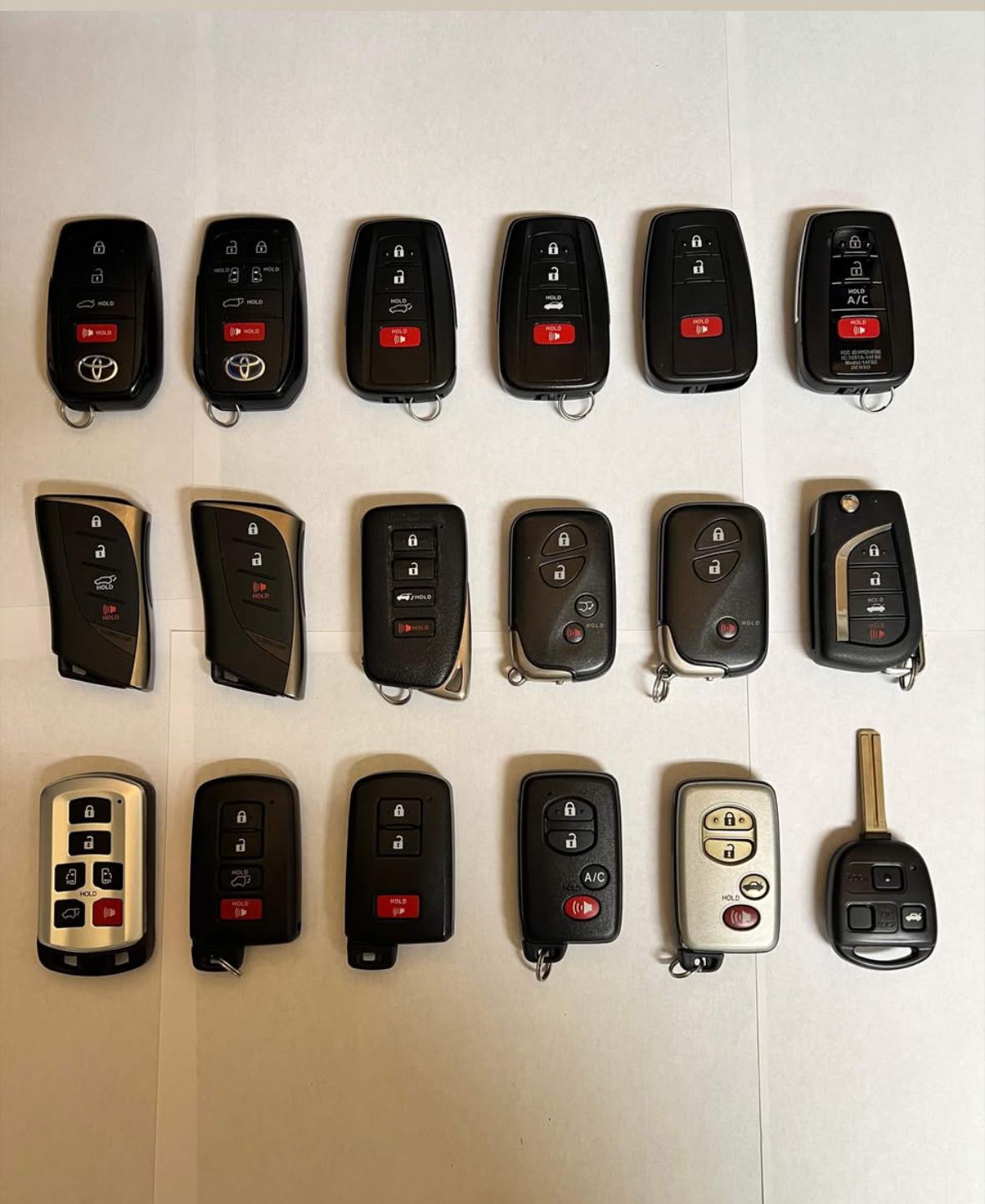
Modern vehicles may have additional electronic security components. If a transponder key or smart key is not recognized, the physical ignition may work correctly while the vehicle still refuses to start.
Does the Ignition Need Repair or Replacement?
The right solution depends on the cause and extent of the damage. If the cylinder is dirty, slightly misaligned, or contains a damaged internal component, repair may be possible. A severely worn, broken, or vandalized ignition cylinder may need to be replaced.
Before replacing anything, the locksmith should inspect both the key and ignition. Sometimes a properly cut replacement key solves the problem without replacing the cylinder. If replacement is necessary, the new ignition may be configured to work with the existing key in some vehicles.
Vehicle year, make, model, and ignition type determine which options are available.
Ignition Cylinder Problems vs. Electrical Problems
An automotive locksmith generally handles mechanical problems involving the key, ignition lock cylinder, and certain key-programming issues. However, not every starting problem is caused by the ignition cylinder.
A dead battery, starter failure, faulty ignition switch, damaged wiring, or engine problem may require an automotive repair shop. If the key turns normally but the engine does not crank, further electrical or mechanical diagnosis may be necessary.
Properly identifying the problem prevents unnecessary parts from being replaced.
What to Do When Your Key Will Not Turn
First, make sure the vehicle is completely in park. If the steering wheel is locked, apply light pressure to the wheel while gently turning the key. Never force it. Excessive force can bend the key or break it inside the ignition.
Check the key for visible wear or damage. If you have a spare key, carefully test it. If the spare works normally, the original key may be the problem.
Avoid spraying random lubricants or inserting tools into the ignition. The wrong product or tool can damage delicate internal components and make the repair more expensive.
Mobile Ignition Repair in Los Angeles
Towing a vehicle to a dealership or repair shop is not always necessary for a mechanical ignition or key problem. A mobile automotive locksmith can come to your home, workplace, parking lot, or roadside location to inspect the vehicle.
Depending on the problem and vehicle, the locksmith may be able to extract a broken key, cut a replacement key, repair or replace the ignition cylinder, or program a compatible transponder key or key fob at your location.
Car Ignition Repair in Los Angeles: Signs Your Ignition Needs Attention
A failing car ignition can quickly turn a normal day into a major inconvenience. Your key may become difficult to turn, get stuck inside the ignition, or stop starting the vehicle entirely. Ignoring these warning signs can make the damage worse and eventually leave you stranded.
1st L.S Locksmith provides mobile car ignition assistance throughout Los Angeles. Our automotive locksmiths can inspect the key and ignition cylinder, identify the likely cause of the problem, and explain whether repair or replacement is the more practical option.
Why Car Ignitions Stop Working
Normal wear is one of the most common causes of ignition trouble. Every time a key is inserted and turned, the key and internal ignition components experience friction. Over time, a worn key may stop aligning correctly with the wafers inside the cylinder.
A heavy keychain can also place unnecessary pressure on the ignition while driving. Bent keys, copied keys with inaccurate cuts, dirt inside the cylinder, attempted theft, and forcing a stuck key can also damage the ignition.
Modern vehicles may have additional electronic security components. If a transponder key or smart key is not recognized, the physical ignition may work correctly while the vehicle still refuses to start.
Does the Ignition Need Repair or Replacement?
The right solution depends on the cause and extent of the damage. If the cylinder is dirty, slightly misaligned, or contains a damaged internal component, repair may be possible. A severely worn, broken, or vandalized ignition cylinder may need to be replaced.
Before replacing anything, the locksmith should inspect both the key and ignition. Sometimes a properly cut replacement key solves the problem without replacing the cylinder. If replacement is necessary, the new ignition may be configured to work with the existing key in some vehicles.
Vehicle year, make, model, and ignition type determine which options are available.
Ignition Cylinder Problems vs. Electrical Problems
An automotive locksmith generally handles mechanical problems involving the key, ignition lock cylinder, and certain key-programming issues. However, not every starting problem is caused by the ignition cylinder.
A dead battery, starter failure, faulty ignition switch, damaged wiring, or engine problem may require an automotive repair shop. If the key turns normally but the engine does not crank, further electrical or mechanical diagnosis may be necessary.
Properly identifying the problem prevents unnecessary parts from being replaced.
What to Do When Your Key Will Not Turn
First, make sure the vehicle is completely in park. If the steering wheel is locked, apply light pressure to the wheel while gently turning the key. Never force it. Excessive force can bend the key or break it inside the ignition.
Check the key for visible wear or damage. If you have a spare key, carefully test it. If the spare works normally, the original key may be the problem.
Avoid spraying random lubricants or inserting tools into the ignition. The wrong product or tool can damage delicate internal components and make the repair more expensive.
Mobile Ignition Repair in Los Angeles
Towing a vehicle to a dealership or repair shop is not always necessary for a mechanical ignition or key problem. A mobile automotive locksmith can come to your home, workplace, parking lot, or roadside location to inspect the vehicle.
Depending on the problem and vehicle, the locksmith may be able to extract a broken key, cut a replacement key, repair or replace the ignition cylinder, or program a compatible transponder key or key fob at your location.
Can You Prevent Ignition Damage?
You cannot prevent normal wear completely, but several habits may extend the life of your ignition:
- Avoid carrying a heavy keychain
- Replace worn or bent keys before they break
- Do not force a key that will not turn
- Keep food, dirt, and debris away from the ignition
- Have intermittent problems inspected before the ignition fails completely
- Keep a working spare key available
A key that occasionally sticks is not “fine.” It is an early warning that should be addressed before you become stranded.
Common Signs of an Ignition Problem
Ignition problems often develop gradually. Recognizing the warning signs early may help you avoid a complete failure. Common symptoms include:
- The key is difficult to insert or remove
- The key will not turn in the ignition
- The ignition feels loose or unusually stiff
- The vehicle starts only after moving or jiggling the key
- The key becomes stuck inside the ignition
- The key turns, but the engine does not respond
- The key is bent, cracked, or excessively worn
- Part of the key has broken inside the ignition
0 Comments